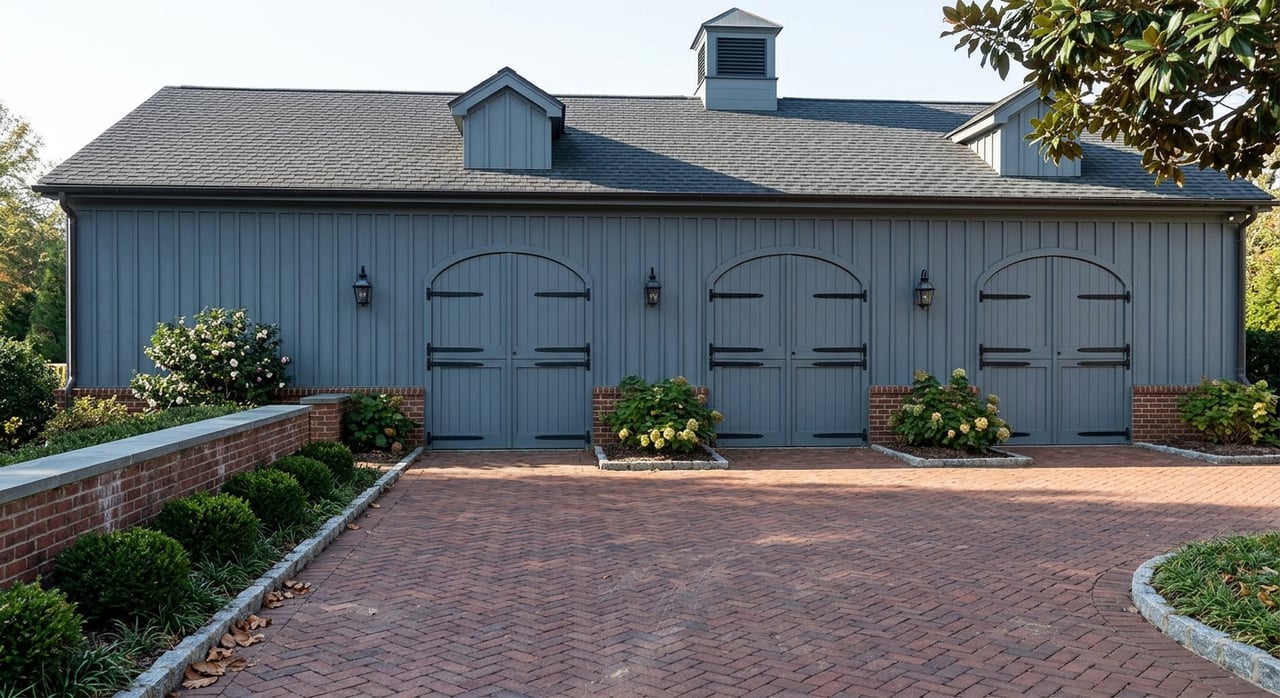
Looking for a place where golf, acreage, and horse country all meet in one market? Milton stands out because it offers an upscale lifestyle that still feels grounded in open land and rural character. If you are exploring a move to Milton or thinking about selling a home there, this guide will help you understand what country club and equestrian living really looks like in this part of North Fulton. Let’s dive in.
Why Milton Feels Different
Milton describes itself as “rural but not remote,” and that idea helps explain the city’s appeal. The city has more than 41,000 residents, yet about 85% of its more than 39 square miles are agriculturally zoned. In those areas, residential lots must be at least 1 acre.
That land pattern shapes the way Milton looks and feels day to day. You will often see spacious homesites, deeper setbacks, mature landscaping, and more room between properties. The city also defines “large lots” as parcels of 3 acres or more, which supports the estate-style character many buyers associate with Milton.
What Country Club Living Means in Milton
In Milton, country club living is about more than a golf course view. The private club lifestyle here often includes racquet sports, swimming, fitness, dining, and a full calendar of social events. For many buyers, that combination creates a built-in lifestyle as much as a real estate decision.
A few of Milton’s best-known private clubs help show the range of amenities available. Each one offers a slightly different setting, but the common thread is access to recreation and social spaces within a polished residential environment.
White Columns Country Club
White Columns offers championship golf along with private tennis and pickleball courts, a resort-style pool, a fitness center, dining, and a 20,000-square-foot clubhouse. The club also highlights year-round social events and activities. If you want a neighborhood environment where amenities support both recreation and connection, White Columns is a strong example.
Atlanta National Golf Club
Atlanta National, located in Milton’s Crabapple area, features an 18-hole Pete and P.B. Dye course. The club also includes a renovated clubhouse, a golf performance fitness center, a simulator lounge, and restaurant dining. Its amenity mix reflects a more complete club experience rather than golf alone.
The Manor Golf & Country Club
The Manor is a private club within a gated community on Manor Club Drive. The club highlights a Tom Watson-designed course and says it is the only Watson-designed course in Georgia. Members also have access to tennis and pickleball, a resort-style pool, fitness facilities, dining, kids club programming, and social events.
What Equestrian Living Looks Like in Milton
Milton’s equestrian identity is not just a marketing phrase. The city says horse farms, pastures, and equestrian businesses are woven throughout the community rather than concentrated in a single area. That gives Milton a visible horse-country feel that sets it apart from many suburban markets.
The city also has a formal Equestrian Committee, and a 2024 farm census found more than 200 active horse farms around Milton. That matters because it shows equestrian living is part of the city’s land-use reality, not simply a niche lifestyle on the edges of town.
For buyers, this can mean a wide range of property setups. Some homes may offer enough land for basic pasture and turnout. Others may be better suited for more developed equestrian use with room for barns, run-in sheds, fencing, and more structured land management.
How to Evaluate a Milton Horse Property
Acreage matters, but acreage alone does not tell the full story. The usability of the land is just as important as the total number of acres. When you look at horse property in Milton, it helps to think about how the land will function over time.
The University of Georgia Extension offers a useful baseline for pasture planning. Its guidance says pasture needs vary by soil, forage species, season, and supplemental feed, but a rule of thumb is about 2 acres of perennial pasture per mature horse on non-cropping land and about 1.5 acres on cropping-type land.
That means a property that looks generous on paper may still need careful review. Drainage, grass quality, fencing layout, and the ability to rotate horses across different areas can all affect how practical a property really is.
Key Features to Review
When you are evaluating a Milton equestrian property, pay close attention to:
- Total usable acreage, not just total acreage
- Pasture condition and productivity
- Drainage and low-lying areas
- Existing fencing and visibility for horse containment
- Space for barns or run-in sheds
- Layout for turnout and rotational grazing
UGA Extension also notes that rotational grazing helps maintain pasture quality and horse health. In real-world terms, that means thoughtful land setup can be more valuable than simply having a larger parcel.
Zoning and Lot Rules Matter
In Milton, legal use matters just as much as lifestyle fit. The city’s planning staff administers the zoning ordinance, subdivision regulations, and related code. The city also notes that zoning variances do not provide relief from minimum lot area or minimum lot frontage.
For buyers, that is a major point to understand before making an offer on acreage. If you are considering a property for horse use or another land-intensive setup, you will want to confirm how the parcel is classified and what is permitted. The home itself may be beautiful, but the land rules are what shape your options long term.
The Appeal of Large-Lot Privacy
One reason buyers are drawn to Milton is the sense of space. The city’s lot framework supports privacy-oriented living, and that often shows up in longer driveways, larger yards, and room for outdoor features. For buyers who want a quieter setting without feeling far removed from metro Atlanta, that balance can be very appealing.
This type of environment also shapes the seller side of the market. Homes with acreage or club access are often purchased for lifestyle reasons as much as square footage. That means clear positioning is important when it is time to list a property.
Public Recreation Adds Another Layer
Private clubs and horse properties are a big part of Milton’s identity, but they are not the whole picture. The city also offers strong public recreation through Milton City Park and Preserve. This 137-acre property includes 130 acres of passive preserve, a 2.5-mile loop trail, and an active area with the city pool, Milton Tennis Center, and a community center.
For many buyers, that broader recreation network adds flexibility. You may enjoy private amenities, open-space living, and public trails and facilities all within the same market. That overlap is one reason Milton continues to attract buyers looking for an upscale setting with a more rural feel.
Tax Considerations for Acreage Owners
If you are buying or selling land-heavy property in Milton, tax treatment may be part of the conversation. Georgia’s Conservation Use Value Assessment, or CUVA, is designed to help protect qualifying agricultural and timber land from conversion to more intensive uses. Milton notes that Fulton County manages CUVA for city properties, while the city itself does not have a direct role.
This is one of those details that can affect ownership costs and planning. If a property has agricultural use or a land-focused setup, it is wise to understand how that status works before you buy or sell.
What Sellers Should Know About Marketing
Selling a home in Milton’s country club or equestrian segment usually requires more than a standard listing approach. Buyers in this market often want detailed context about lot size, land usability, amenity access, and overall lifestyle fit. The strongest marketing strategy helps them see not just the house, but the full value of the property.
That is especially true for estate homes, acreage properties, and homes tied to club-oriented neighborhoods. Professional photography, virtual tours, thoughtful staging, and clear neighborhood positioning can make a meaningful difference in how a property is understood online and in person.
Why Milton Continues to Attract Buyers
Milton’s appeal comes from a rare mix of features that work together. You have private club amenities, large-lot privacy, and a visible equestrian culture in one market. Few places in North Metro Atlanta combine those elements as naturally as Milton does.
If you are a buyer, that means you can target a lifestyle with more precision. If you are a seller, it means your home may appeal to buyers who are searching for something very specific and are willing to wait for the right fit.
Whether you are comparing club communities, exploring horse property, or preparing to sell an estate home, local guidance matters. The team at AlpharettaZen Expert Home Advisors brings a consultative, neighborhood-focused approach to Milton real estate so you can move forward with clarity and confidence.
FAQs
What makes Milton, Georgia appealing for country club living?
- Milton offers private club communities with golf, tennis, pickleball, swimming, fitness, dining, and social programming, along with the space and privacy that come with large-lot residential patterns.
What should buyers look for in a Milton equestrian property?
- Buyers should review usable acreage, pasture condition, drainage, fencing, turnout layout, and room for barns or run-in sheds, not just the total size of the parcel.
How common are horse properties in Milton, Georgia?
- Horse properties are a visible part of Milton’s landscape, and the city says horse farms and pastures are spread throughout the community, with a 2024 farm census finding more than 200 active horse farms around Milton.
How does zoning affect acreage homes in Milton?
- Milton’s zoning rules shape permitted land use, minimum lot area, and frontage requirements, so buyers should confirm what a property allows before purchasing.
Are large lots common in Milton, Georgia?
- Yes. Milton says about 85% of the city is agriculturally zoned, where residential lots must be at least 1 acre, and the city defines large lots as parcels of 3 acres or more.
What public recreation options support Milton’s outdoor lifestyle?
- Milton City Park and Preserve adds public recreation with passive preserve land, a 2.5-mile loop trail, the city pool, Milton Tennis Center, and a community center.