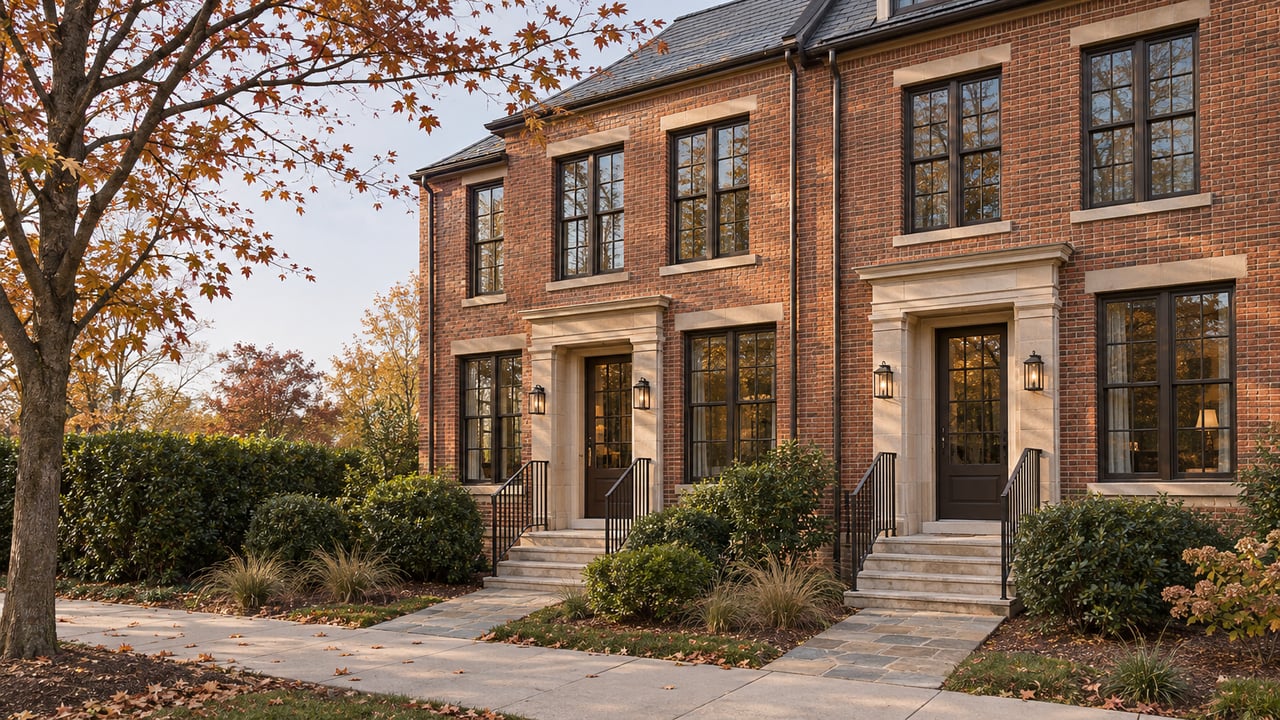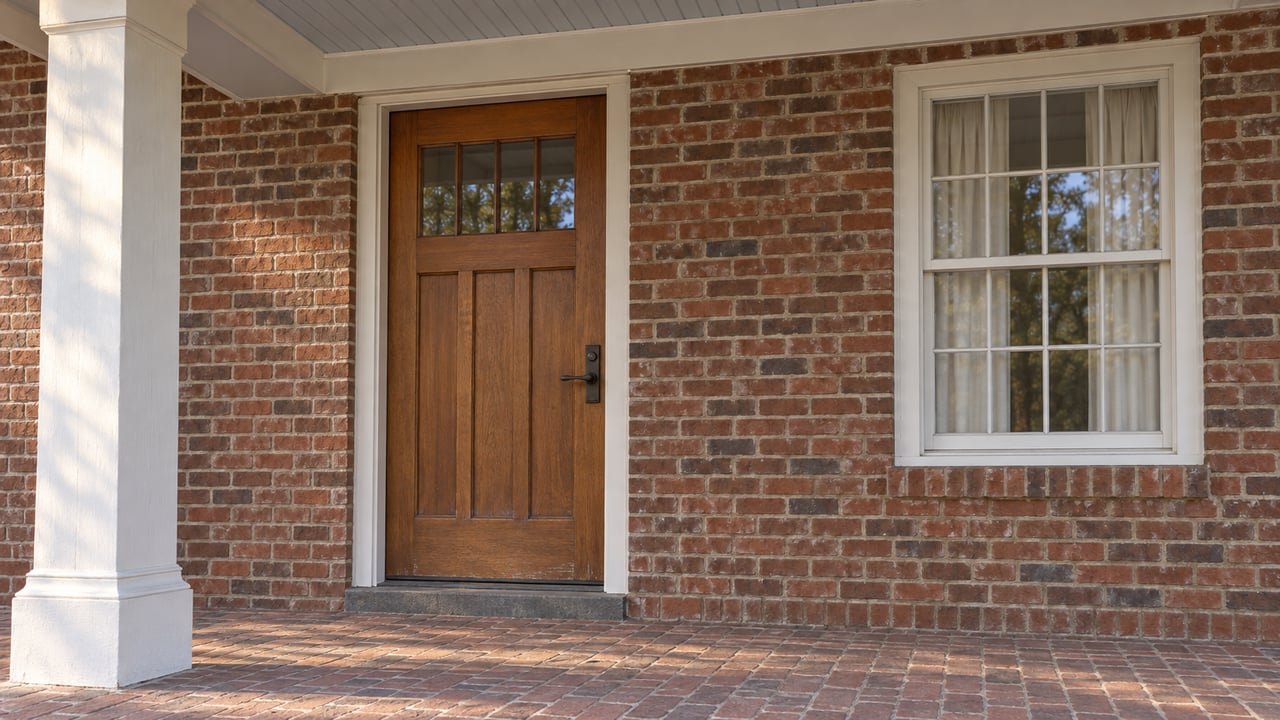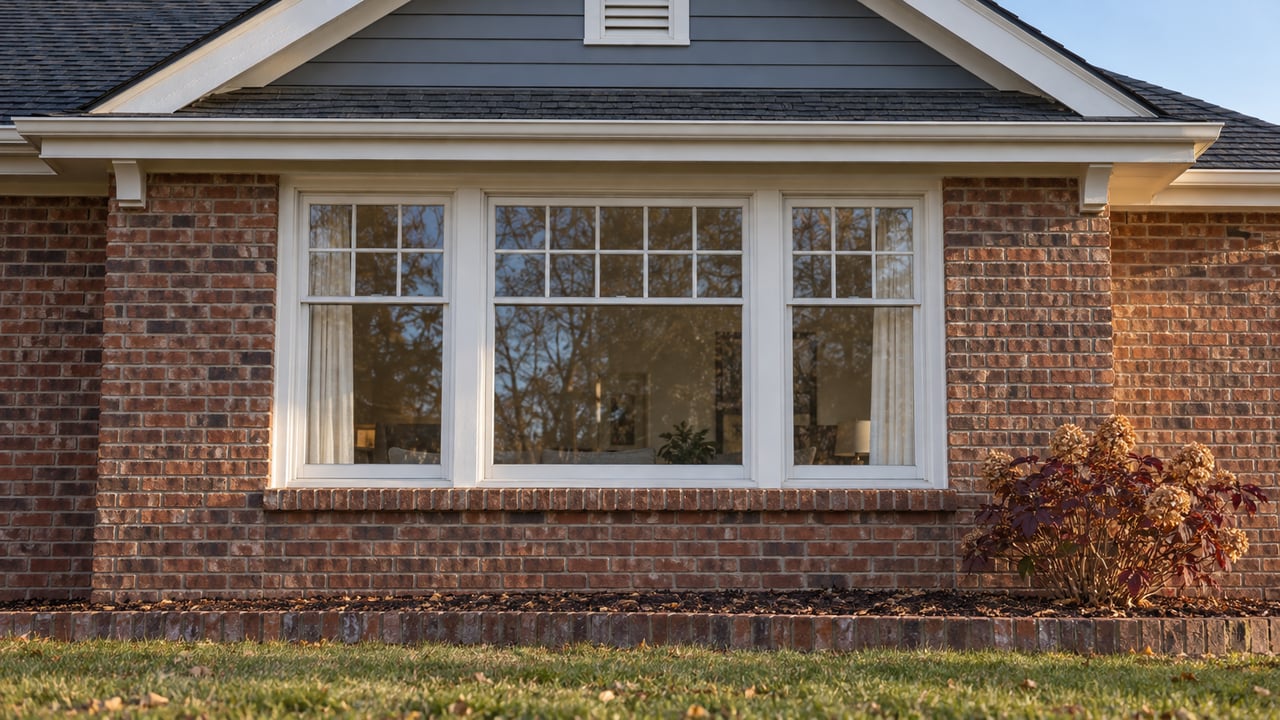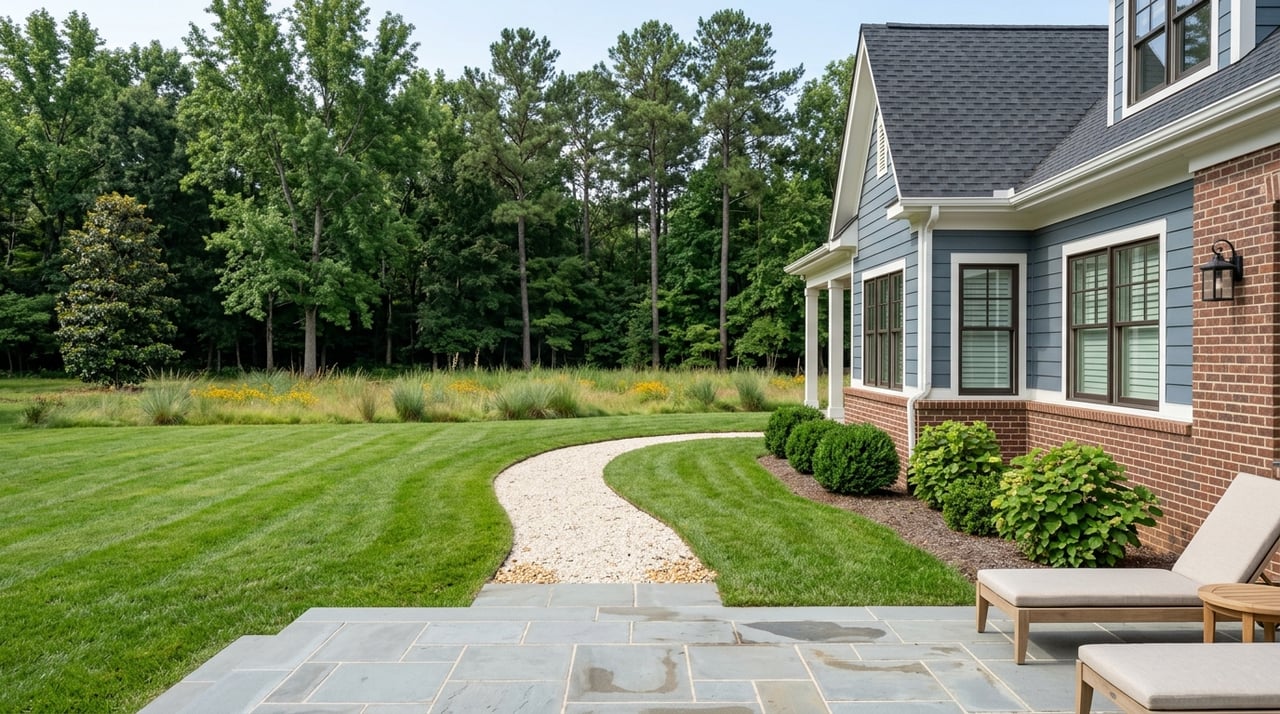
If you own acreage in Milton, you already know it does not fit neatly into a standard pricing formula. Two properties may both have five acres, but their value can look very different based on how the land can actually be used, what improvements are in place, and how clearly those details are presented to buyers. This guide walks you through how Milton acreage properties are priced and marketed so you can understand what drives value, what buyers look for, and how a smart strategy helps your property stand out. Let’s dive in.
Why Milton Acreage Is Different
Milton has a land pattern that makes acreage especially important in the local market. According to the city, about 85% of its more than 39 square miles are agriculturally zoned, and residential lots in those areas must be at least one acre. The city has also kept more than 90% of its land in low or very low-density residential use by limiting sewer lines in rural areas.
That matters because buyers shopping for acreage in Milton are often looking for something more specific than a larger homesite. They may want privacy, room for horses, hobby farm potential, outdoor living space, or a larger buffer from nearby properties. In many cases, the land itself is a major part of the value story.
Milton is also a premium housing market overall. Recent Redfin data put the citywide median sale price at about $1.13 million in May 2026, with a median of 32 days on market. Still, that citywide number is just background for acreage homes, because larger estate properties are often priced more on land utility, site constraints, and improvements than on broad market averages alone.
How Milton Acreage Properties Are Priced
Usable Acreage Matters Most
When buyers look at acreage, they usually care less about the total number of acres and more about how much of that land is functional. A five-acre property with strong access, open usable areas, and fewer site limitations can be worth more than a larger parcel with major constraints.
In Milton, that means reviewing factors like topography, drainage, tree cover, stream buffers, easements, driveway access, and buildable area. These details affect whether the land can support future improvements, outdoor use, or expansion. They also shape how buyers compare one property to another.
Milton’s land development rules make this especially relevant. The city requires a land disturbance permit for projects that exceed one acre of disturbance, are within 200 feet of state waters, or create more than 5,000 square feet of new impervious surface. If a buyer is thinking ahead to adding features or changing the site, those rules can influence both interest and value.
Zoning And Overlay Rules Affect Value
Acreage pricing in Milton is also shaped by zoning and land-use compatibility. Milton’s comprehensive plan says the Agriculture, Equestrian, Estate Residential category supports scattered single-family homes on several acres, along with hobby farms, equestrian facilities, and large-lot estates. It also notes minimum three-acre lots on gravel roads in that category.
The same plan says this land-use category is compatible with AG1, R1, R2, and H zoning districts. That does not mean every parcel can be used the same way, but it does show how local planning rules influence expectations for use, scale, and future potential. Buyers often place more value on a property when the land use aligns clearly with what they want to do.
Milton’s Rural Milton Overlay adds another layer. The city uses it to preserve agrarian and equestrian character, rural viewsheds, harmony with the natural setting, and open space. For sellers, that means the setting itself can support value, but it also means buyers will pay close attention to what is protected, what can be changed, and what approvals may be required.
Improvements Still Carry Real Weight
Land is a major part of the story, but the home and site improvements still matter. Fulton County assessors determine fair market value using the property’s size, age, materials, features, location, and comparable sales. They also review photos, sales data, and building permits.
For an acreage property, that means buyers are evaluating more than the house alone. They are also looking at whether the improvements make the land easier and more enjoyable to use. A well-sited home, functional driveway, outdoor living areas, and thoughtful transitions between indoor and outdoor space can all strengthen value.
Fulton County also notes that appraisal can rely on the cost approach, market approach, or income approach, depending on which data are most reliable. In practice, acreage homes often require a more careful mix of comparable property analysis and site-specific judgment than a typical subdivision home.
Tax Status Can Influence Buyer Interest
Tax treatment can shape the effective value proposition for certain Milton acreage properties. Georgia offers current-use assessments for qualifying conservation-use land and forest land, which may reduce the tax burden compared with fair market valuation. The Georgia Department of Revenue says bona fide conservation-use property is assessed at 40% of current use value and must remain in qualifying use for 10 years.
Milton also notes that Fulton County manages CUVA for qualifying properties. If a property has current-use status, that can be important to buyers who are weighing long-term carrying costs. It is not a pricing shortcut, but it can affect how a buyer views the overall ownership picture.
What Buyers Want To Know Before They Pay More
Land Constraints Can Change Perceived Value
Acreage buyers tend to ask practical questions early. They want to know where they can build, whether the parcel includes floodplain, how close protected buffers are to usable space, and whether trees can be removed if needed. The more clearly those questions are answered, the easier it is for buyers to understand value.
Milton’s guidance says protected trees that are 15 inches DBH or larger generally require a permit for removal. The city also notes a 50-foot undisturbed buffer along state waters. These are not small details, because they can directly affect where a driveway, outbuilding, pasture area, or future addition may be feasible.
Flood information is another major factor. FEMA’s Flood Map Service Center is the official public source for flood-hazard information and can identify flood zone, base flood elevation, and floodway status. If part of a parcel is affected by floodplain, buyers will want to understand how that influences usable land and future plans.
Water And Septic Details Matter
For many Milton acreage properties, well and septic details are also part of the pricing conversation. Georgia DPH says wells should be set away from septic tanks and absorption fields, and its onsite sewage rules govern septic installation and permitting. These systems are part of the property’s real utility, not just background paperwork.
If records are incomplete or unclear, buyers may become more cautious. On the other hand, when a seller has clear documentation about septic, wells, surveys, and permits, the property often feels easier to evaluate. That confidence can support stronger buyer interest.
How Milton Acreage Should Be Marketed
Visuals Need To Explain The Land
Acreage listings need more than attractive interior photos. Buyers want to understand the full property, especially when a major part of the value sits outside the house itself.
NAR’s 2024 buyer profile found that buyers using the internet considered photos, detailed property information, floor plans, virtual tours, neighborhood information, interactive maps, and videos among the most useful listing features. A separate 2026 NAR article said 52% of buyers found the home they purchased online, and nearly half started their search online.
That is especially important for Milton acreage. The marketing package should help buyers see boundary context, approach, open areas, tree cover, access points, and how the home sits on the land. In many cases, aerial or drone imagery and boundary-aware mapping are essential because they answer questions that standard photos cannot.
Listing Copy Should Answer Practical Questions
For acreage properties, generic luxury language is not enough. Buyers want clear, relevant information that helps them picture how the land functions.
In Milton, strong listing copy often explains whether the property may support horses, gardens, guest accommodations, future expansion, or simply more privacy and breathing room. Those points matter because Milton’s planning framework explicitly supports rural, agrarian, and equestrian character in many areas. When the copy explains the land’s practical use clearly, the value story becomes easier for buyers to trust.
The description should also set realistic expectations. If there are buffers, permit considerations, or site limitations, those should be framed accurately and clearly. Clear information tends to attract better-matched buyers and reduce confusion later in the process.
Staging Should Extend Beyond The Interior
Presentation still affects perceived value, even for high-end acreage homes. NAR’s 2025 staging report found that 29% of agents said staging led to a 1% to 10% increase in dollar value offered, while 49% said staging reduced time on market.
For Milton acreage, staging should not stop at the living room and kitchen. Outdoor living areas, front approach, entrances, patios, barns, and the transition from the house to the land should feel intentional and photo-ready. Buyers are not just buying square footage. They are buying an experience of how the property lives.
What Sellers Should Prepare Before Listing
Acreage homes usually benefit from better preparation before they hit the market. The goal is to give buyers a cleaner, clearer picture of the property from day one.
Helpful items to gather often include:
- A recent survey or plat
- Permit history for major improvements
- Septic or well information, if applicable
- Details about tree or buffer constraints
- Information about current-use tax status, if applicable
- Notes on easements, access points, and site features
This preparation matters because Milton and Fulton County both use permits, inspections, and assessment data when evaluating land and improvements. It also helps your agent market the property with more confidence and fewer unanswered questions.
Why Strategy Matters In Milton
Acreage homes in Milton are rarely priced and marketed well by using a simple price-per-square-foot approach. The strongest strategy blends local land-use knowledge, buyer behavior, property presentation, and a realistic understanding of what the site can actually support.
That is where a consultative process makes a difference. A strong pricing plan looks beyond broad city averages and focuses on what buyers in this niche actually compare. A strong marketing plan makes the land understandable, not just attractive.
If you are thinking about selling acreage in Milton, the right guidance can help you position the property more clearly from the start. For tailored advice on pricing, preparation, staging, and marketing, connect with AlpharettaZen Expert Home Advisors for a local, hands-on consultation.
FAQs
How are Milton acreage properties priced differently than standard homes?
- Milton acreage properties are often priced based on usable land, zoning, site constraints, improvements, and overall utility, not just square footage or citywide median price trends.
What makes usable land important for Milton acreage value?
- Usable land matters because features like topography, drainage, easements, stream buffers, tree restrictions, and driveway access can affect how much of the property a buyer can realistically enjoy or improve.
Can a Milton acreage property be subdivided?
- Subdivision depends on the parcel’s zoning, future land-use designation, overlay rules, access, and required city approvals, not on acreage size alone.
What documents should sellers gather for a Milton acreage listing?
- Sellers should try to gather a survey or plat, permit history, septic or well records, information on tree and buffer constraints, and any current-use tax details that apply to the property.
Why do Milton acreage listings need specialized marketing?
- These listings need specialized marketing because buyers want clear visuals, detailed land context, and practical information about how the property functions beyond the home itself.