If you want a suburban home base without feeling cut off from Atlanta’s job centers, Dunwoody is worth a serious look. For many buyers, the real question is not whether Dunwoody is popular, but whether its commute options, housing mix, and everyday convenience actually match how you live. This guide will help you weigh the practical tradeoffs so you can decide if Dunwoody fits your routine, priorities, and next move. Let’s dive in.
Why Dunwoody Stands Out
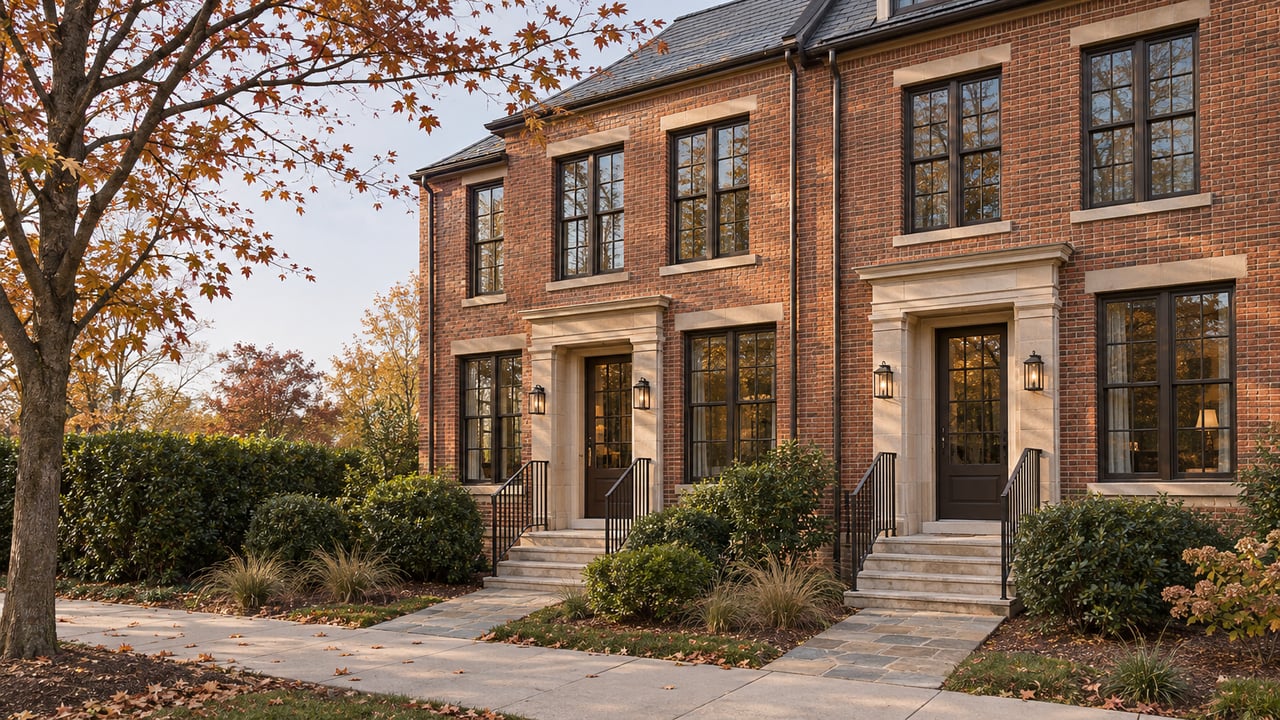
Dunwoody sits in metro Atlanta’s central perimeter business district, which gives it a different feel than a suburb that is mostly residential. The city describes Dunwoody as a long-established suburb with older neighborhoods, larger lots, swim-and-tennis amenities, and newer apartment, cluster-home, and live/work/play options. That mix can appeal if you want suburban space while staying close to major employment corridors.
In simple terms, Dunwoody offers more than one lifestyle path. You may prefer a traditional neighborhood setting with mature trees and established homes, or you may want to be closer to mixed-use areas with shops, restaurants, and transit nearby. That flexibility is a big part of Dunwoody’s appeal for relocation buyers and move-up households.
Commute Options in Dunwoody
For many buyers, commute time shapes everything from home choice to weekend energy. Dunwoody is closely tied to the GA-400 and I-285 corridor, so it can be especially convenient if your work or frequent destinations are in or near Perimeter Center. The city also highlights Perimeter Center as a major job center with more than 125,000 jobs, which helps explain why Dunwoody often feels more connected than a farther-out suburb.
If your work takes you into the Perimeter area often, living in Dunwoody may reduce the need for long daily drives. If your commute goes deeper into Atlanta, your experience may depend more heavily on your access to MARTA or the interstate network. That is why your ideal part of Dunwoody may look different depending on whether you commute by rail, car, or a mix of both.
MARTA Access
If you want transit as a real backup or daily option, Dunwoody has meaningful rail access. According to MARTA station details shared by the city, the Dunwoody station is on the Red Line at Hammond Drive and Perimeter Center Parkway, includes a 575-space parking deck, offers free daily parking for stays under 24 hours, and connects to bus routes 5, 87, and 150.
That does not mean every Dunwoody address will feel transit-oriented. In practice, some buyers will still drive most days, especially if their workplace is not well connected to rail. Still, having MARTA nearby can add flexibility, especially for commuters who want an option besides driving every single day.
Driving Convenience
For drivers, Dunwoody’s location near GA-400 and I-285 is one of its strongest practical advantages. That access can make it easier to reach Perimeter Center and other parts of north metro Atlanta. It also supports the area’s appeal for buyers who want to stay plugged into Atlanta’s core employment belt while living in a more suburban setting.
The tradeoff is straightforward. Convenience here often comes with proximity to busy roads and active commercial areas. If you want complete separation from traffic and retail corridors, Dunwoody may feel more connected and convenience-oriented than tucked away.
Trails and Non-Driving Access
Dunwoody is also investing in alternatives to car-only movement. The city’s Ashford Dunwoody Path project adds separated walking and cycling infrastructure along the Perimeter corridor, and the broader trail vision is designed to connect residents to parks, schools, shopping centers, and MARTA stations.
The city’s trail planning describes 68 miles of existing, planned, and proposed trails tied to nine parks, 11 schools, seven shopping centers, and two MARTA stations. If you care about being able to walk, bike, or combine short drives with trails and transit, that long-term connectivity may matter. It also suggests that some parts of Dunwoody may become even more practical for everyday errands and recreation over time.
Lifestyle and Housing Mix
One reason Dunwoody attracts a wide range of buyers is that it does not offer just one kind of housing experience. The city emphasizes a blend of established neighborhoods and newer live/work/play environments, which gives you options depending on what daily life looks like for you. That can be useful if you are balancing commute needs, home size, and access to shopping or parks.
Some buyers are drawn to older neighborhoods with larger lots and a more classic suburban feel. Others want a location closer to mixed-use development, dining, and transit access. Dunwoody can support both approaches, but the right fit usually comes down to which tradeoffs matter most in your routine.
Traditional Neighborhood Feel
If you picture a suburban setting with established streets and more separation from busy commercial zones, Dunwoody has neighborhoods that align with that preference. The city specifically points to older neighborhoods and larger lots as part of its identity. For buyers moving from denser areas, that can feel like a strong quality-of-life upgrade.
This type of setting may appeal if you want more home space, more yard space, or a familiar suburban neighborhood pattern. At the same time, your drive to rail, shopping, or major roads may be a little longer depending on the exact location. That is why it helps to compare addresses based on your real weekly habits, not just a map.
Mixed-Use Convenience
If you prefer having more activity close by, Dunwoody also offers a more urban-suburban blend near Perimeter Center. The city says High Street is a $2 billion mixed-use destination with retail, restaurants, apartments, office space, and a park. It also notes that Ashford Lane has been reworked into a mixed-use town center around a 70,000-square-foot central lawn, while Dunwoody Village includes outdoor seating and restaurant-oriented gathering space.
For some buyers, this convenience is a major plus. You may be able to keep errands, dining, and social plans closer to home. If that matters more to you than having the quietest possible setting, Dunwoody’s mixed-use pockets may be especially appealing.
Parks and Weekend Living
A location can work on paper and still fall short in daily life if there is nowhere you actually want to spend your free time. Dunwoody performs well here, thanks to a strong network of parks, green space, and community programming. The city says it manages seven major parks and more than 200 acres of green space.
That matters because lifestyle is not just about your house or your commute. It is also about whether your neighborhood makes it easy to get outside, meet friends, take a walk, or enjoy a slower weekend close to home.
Brook Run Park and Green Space
Brook Run Park is the city’s largest park at 110 acres, and the city says it is the largest park in Dunwoody and the region. It includes a 2-mile loop trail, skate park, dog park, community garden, and event pavilions. For many households, that kind of park becomes part of weekly life rather than an occasional destination.
Other city facilities include Dunwoody Nature Center, Waterford Park, Two Bridges Park, and Vernon Oaks Park. If easy park access is high on your list, it is worth narrowing your home search around the places you would realistically use most often. That can shape your day-to-day satisfaction more than buyers sometimes expect.
Programs and Community Activities
Dunwoody also offers more than passive green space. The city’s parks and recreation programs highlight seasonal programs and partners such as Dunwoody Nature Center, Spruill Center for the Arts, Stage Door Theatre, and Rush Union Soccer.
That built-in network can be useful if you want access to classes, athletics, camps, or arts programming near home. It adds another layer to the lifestyle equation, especially for buyers who want a suburb that supports a full weekly routine rather than just a place to sleep between commutes.
Shopping, Dining, and Daily Errands
Convenience is one of Dunwoody’s clearest strengths. If you want your grocery runs, shopping trips, and casual dining options close by, this area offers a strong setup. Much of that convenience is concentrated around Perimeter Center and nearby commercial areas, which reinforces Dunwoody’s identity as a connected, amenity-rich suburb.
Perimeter Mall sits alongside I-285 and Georgia 400 in Dunwoody and describes itself as one of Atlanta’s most accessible luxury shopping malls. The city also points to Perimeter Marketplace, anchored by Publix, as part of the area’s convenience mix. For many buyers, that level of nearby retail can make daily life simpler and more efficient.
This does not mean every part of Dunwoody feels equally walkable. Some retail areas are more mixed-use and pedestrian-friendly than a typical suburban shopping strip, while others are still shaped by major roads and car access. If walkability is a top priority, it helps to evaluate specific pockets rather than assuming the whole city functions the same way.
Schools and Planning Your Search
If schools are part of your home search, Dunwoody offers a substantial public-school footprint. The DeKalb County School District planning page places Austin ES, Chesnut ES, Hightower ES, Kingsley ES, Vanderlyn ES, Dunwoody ES, Peachtree MS, and Dunwoody HS in the Dunwoody school area.
DCSD also offers school-choice pathways such as dual-language immersion, Montessori, IB, magnet, theme, and other specialized programs. That can give you more than one path to consider as you compare housing, commute patterns, and school preferences. It is a practical advantage for buyers who want options within the public system.
The key detail is that school assignment should always be verified by exact address. If schools are central to your move, you will want to confirm attendance boundaries and choice options before making a decision. A neighborhood that looks ideal on a map may work differently once you connect the exact property to your daily priorities.
Who Dunwoody Fits Best
Dunwoody may be a strong fit if you want a close-in suburban base, access to major job centers, and a mix of parks, retail, and established neighborhoods. It can work well for relocation buyers, move-up households, and anyone who values having MARTA as an alternate commute option even if driving remains part of daily life.
It may be especially appealing if you are trying to choose between suburban space and urban convenience and do not want to give up either completely. On the other hand, if your top goal is a more secluded setting far from commercial activity, you may want to compare Dunwoody with less centrally positioned suburbs.
The best way to judge Dunwoody is to match specific areas with your actual lifestyle. Are you trying to shorten a Perimeter commute, stay close to rail, prioritize park access, or find a more traditional neighborhood feel? Once those priorities are clear, the right part of Dunwoody becomes much easier to spot.
If you want help comparing Dunwoody with other north metro Atlanta suburbs, AlpharettaZen Expert Home Advisors can help you narrow your options with local insight and a clear, consultative process.
FAQs
Is Dunwoody a good choice for an Atlanta-area commute?
- Dunwoody can be a strong choice if you need access to Perimeter Center, GA-400, I-285, or the Dunwoody MARTA station, especially if you want both driving and transit options.
Does Dunwoody have MARTA access for daily commuting?
- Yes. The Dunwoody MARTA station is on the Red Line and includes parking plus bus connections, which can make transit a realistic option for some commuters.
What kind of lifestyle does Dunwoody offer?
- Dunwoody offers a blend of established suburban neighborhoods, mixed-use areas, major retail, dining, parks, and recreation amenities.
Are there parks and trails in Dunwoody for everyday use?
- Yes. The city manages seven major parks and more than 200 acres of green space, and Brook Run Park includes features like a loop trail, dog park, skate park, and community garden.
What public schools serve Dunwoody, Georgia?
- DeKalb County School District lists several schools in the Dunwoody area, including Austin ES, Chesnut ES, Hightower ES, Kingsley ES, Vanderlyn ES, Dunwoody ES, Peachtree MS, and Dunwoody HS, but you should verify school assignment by exact address.
Is Dunwoody better for a traditional neighborhood or mixed-use living?
- It can support both. Some parts of Dunwoody offer older neighborhoods with larger lots, while others are closer to mixed-use destinations, retail, restaurants, and transit.