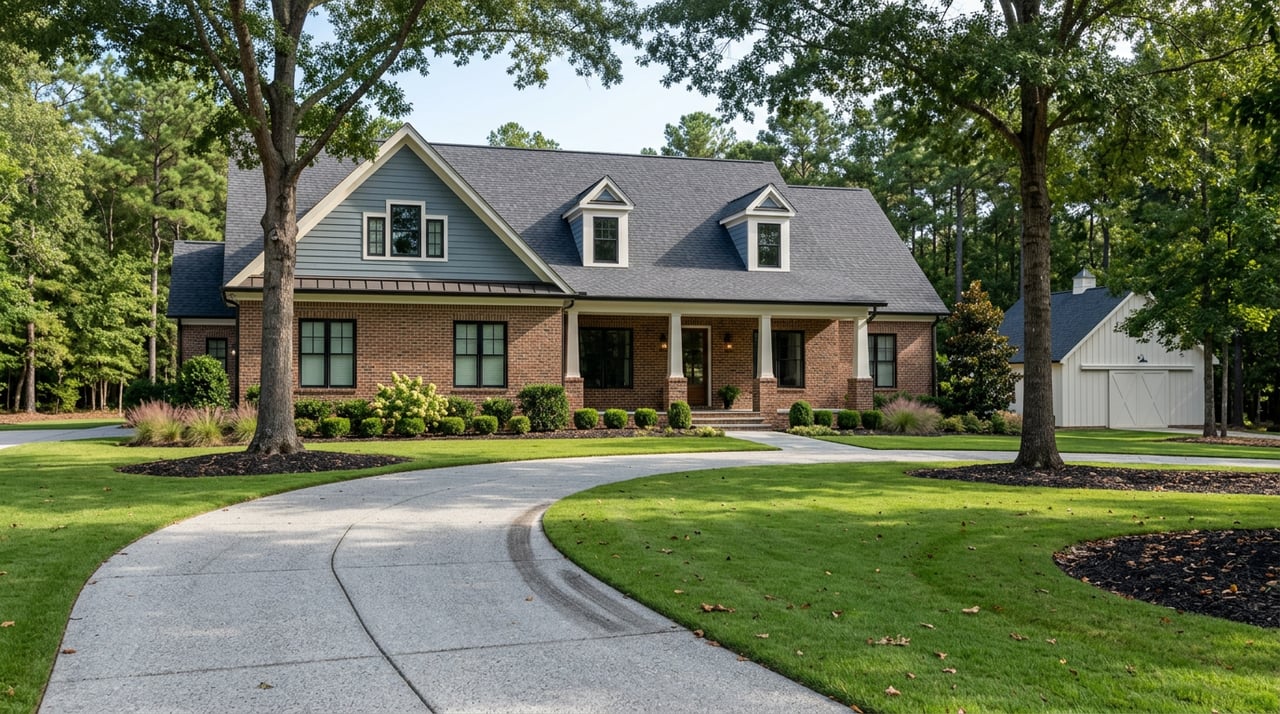
Seeking more space, privacy, and room to breathe without giving up city convenience? If acreage, a long driveway, or even a small horse setup is on your wish list, Milton delivers a rare mix of country feel and close-in access to Alpharetta. Still, land ownership comes with details you should understand before you buy. In this guide, you’ll learn what life on acreage in Milton looks like, how zoning and permits work, what to know about wells and septic, and the key checks to do during due diligence. Let’s dive in.
Why Milton attracts acreage buyers
Milton sits in North Fulton and intentionally preserves a semi-rural, large-lot character while staying close to Alpharetta’s shops, restaurants, and services. The city consolidated its rules in a single reference called the Unified Development Code, or UDC, to make land-use standards easier to find. You get space and quiet with practical access to major corridors.
For many buyers, the appeal is simple: privacy, open views, and the freedom to create the lifestyle you want. Milton also supports an equestrian identity with ongoing city engagement and community culture that values horse-friendly living. You can explore planning resources and local updates on the City of Milton’s official site.
What zoning allows on your land
Milton’s Unified Development Code is the core reference for what you can build or operate on your property. It brings zoning districts, use standards, and site requirements into one place. Large-lot and agricultural districts, including examples like AG-1, are common in Milton’s public records and reflect the city’s rural character.
If you plan to keep horses, build a barn or riding arena, or explore small equine-related activities, confirm the parcel’s zoning and any required permits or variances. City records show active review of rural uses, so do not assume a use is permitted just because a neighbor has it. You can see examples of how rural uses are processed in city agendas and meeting documents, such as this public meeting record referencing AG-1 uses. It is smart to request a zoning verification letter from Milton Community Development early in the process.
Equestrian living basics
Milton’s landscape and community vibe make it a strong fit for horse owners. Still, the right acreage and a realistic care plan matter.
How much land per horse?
A practical rule of thumb in Georgia is about 1.5 to 2 acres per mature horse for pasture-based systems. The University of Georgia Extension’s forage guidance explains how stocking rates depend on grass productivity, rotational grazing, and whether you plan to supplement with hay. Your ideal acreage can vary with your management style and goals.
Pasture and fencing essentials
Good pasture pays for itself over time. Plan for annual soil testing, rotational grazing, overseeding, and weed control to keep forage healthy and reduce hay costs. Walk the property and note drainage patterns and any bare spots where erosion could start.
Four-board wood or post-and-rail fencing is common in the area. Confirm that your chosen fence type is allowed, and get clear written setbacks and visibility rules from the UDC and any neighborhood covenants. A fencing audit during due diligence helps you price repairs or replacement.
Barns and arenas: permits and design
Barns, covered arenas, wash racks, and similar improvements often require permits or site-plan review. Some neighborhoods add design review. Before you draw plans, check the UDC for permitted uses, setbacks, height limits, and process steps. Ask sellers for any prior approvals, surveys, and site plans so you can understand where new structures might fit.
Utilities, septic, and wells
Not every Milton acreage parcel connects to public water and sewer. Some homes are on city or authority water, but many rely on private wells and on-site sewage systems. Confirm available utilities and connection options before you make an offer. The Fulton County website is a good starting point for county-level utility and property resources.
On-site sewage systems are regulated by state and county rules. A failed or undersized system can block a sale or require expensive replacement, so request septic permits and history, a recent inspection report, and any soil or percolation data. Fulton County publishes the Manual for Onsite Sewage Management Systems that explains design, setbacks, and permitting.
If the property has a well, test water quality and pump capacity early. Ask for well logs, recent test results, and service records. If it is a shared well, obtain the maintenance and access agreements.
Fire protection, access, and insurance
Fire protection and insurance costs for rural properties often hinge on distance to hydrants, local fire station capabilities, and access for emergency vehicles. Long or gated driveways can affect response and may carry owner maintenance obligations. Before you commit, review local coverage and ask your insurance agent about any required mitigations such as cleared access lanes or sprinklers. You can learn more about local services and city departments on Milton’s official site.
Pros and tradeoffs of estate life
Pros
- Privacy, open views, and room for outdoor living, hobby farming, or horses. Milton’s policies emphasize large-lot character, documented in the Unified Development Code.
- Equestrian culture and access to city amenities. The City of Milton supports local engagement, while Alpharetta is a short drive for everyday needs.
- Potential for barns, arenas, and guest spaces where zoning allows. Long drives, ponds, and classic four-board fencing are common features.
Realities
- Maintenance is ongoing. Expect pasture care, fence repairs, tree and erosion management, septic upkeep, and driveway maintenance. UGA’s forage management guidance is a helpful planning tool.
- Permitting and utilities take planning. Private wells and septic systems require careful inspection, and some improvements need permits or site review. See Fulton County’s onsite sewage manual.
- Insurance and access matter. Distance to hydrants and driveway design can affect premiums and safety.
- Market is specialized. Estate properties make up a niche segment, so marketing and time on market can differ from standard subdivisions.
Smart due diligence checklist
Use this list to move from dream to done with fewer surprises.
- Confirm zoning and permitted uses. Reference the UDC and request a zoning verification letter from Milton Community Development.
- Inspect septic and confirm permits. Obtain records and follow Fulton County’s onsite sewage manual for design and setback standards.
- Verify water source. Confirm municipal water availability or review well logs, water tests, and service history.
- Review survey, easements, and covenants. Many large-lot communities still have restrictions on outbuildings, subdivision, or commercial use. Confirm driveway ownership and maintenance.
- Check floodplains and wetlands. Use FEMA maps and county GIS to spot constraints that affect arena or septic placement and insurance.
- Plan for fire and EMS access. Ask about local coverage and any insurer-required mitigations.
- For horse owners: request soil test results, a forage or hay plan, manure management details, and a fencing and gate security review. UGA’s forage systems guide helps you gauge pasture adequacy.
Daily life and commute tips
From many Milton estates, you can reach downtown Alpharetta in a few minutes, which keeps everyday errands and dining simple. For trips into Atlanta, plan your route and test peak-hour drive times because traffic patterns vary. A quick reference for local proximity is the Milton to Alpharetta distance, but always test your specific address.
Market snapshot at a glance
Milton is an upper-tier Atlanta suburbs market, with single-family homes and acreage trading well above metro averages. Pricing varies widely with land size, improvements, and location. For current context, review active listings and market snapshots for Milton on sources like Homes.com, and rely on live MLS data when you are ready to make decisions.
How we help
Choosing acreage is as much about due diligence as it is about curb appeal. Our team pairs neighborhood-level insight with a clear, step-by-step process so you can buy with confidence. With 400+ closed sales and a boutique, consultative approach, we help you evaluate zoning, utilities, and improvement potential, then position your purchase for long-term enjoyment and value.
Ready to explore properties that fit your goals? Reach out to AlpharettaZen Expert Home Advisors to schedule your free consultation and start a focused search.
FAQs
What zoning allows horses in Milton, GA?
- Review Milton’s Unified Development Code and request a zoning verification letter to confirm if your parcel and planned improvements are permitted.
How many horses can my Milton acreage support?
- A common Georgia guideline is about 1.5 to 2 acres per mature horse, adjusted for pasture quality and hay use per UGA Extension guidance.
What should I inspect for septic and wells on Milton land?
- Ask for permits and service history, get a licensed septic inspection, test well water and pump capacity, and use Fulton County’s onsite sewage manual as your technical reference.
Do I need permits for barns or arenas in Milton?
- Most barns and arenas require permits or site review; confirm setbacks, height, and design rules in the UDC and check any HOA covenants.
Is Milton acreage on public sewer and water?
- Utility availability is location-specific; some parcels connect to municipal systems while others use private wells and septic, so verify services early via Fulton County resources.
How long is the commute from Milton to Atlanta?
- Many North Fulton commutes to Buckhead or downtown range about 30 to 50 minutes depending on route and time; test your specific address during peak hours for accuracy.