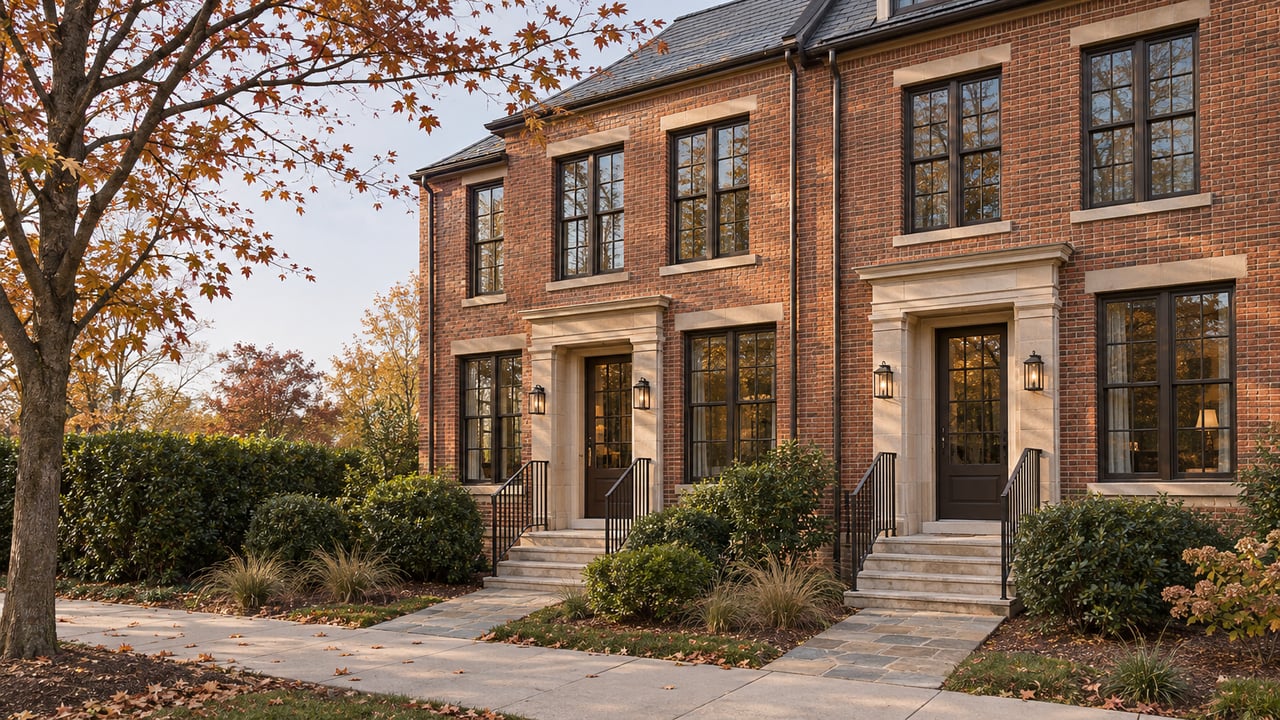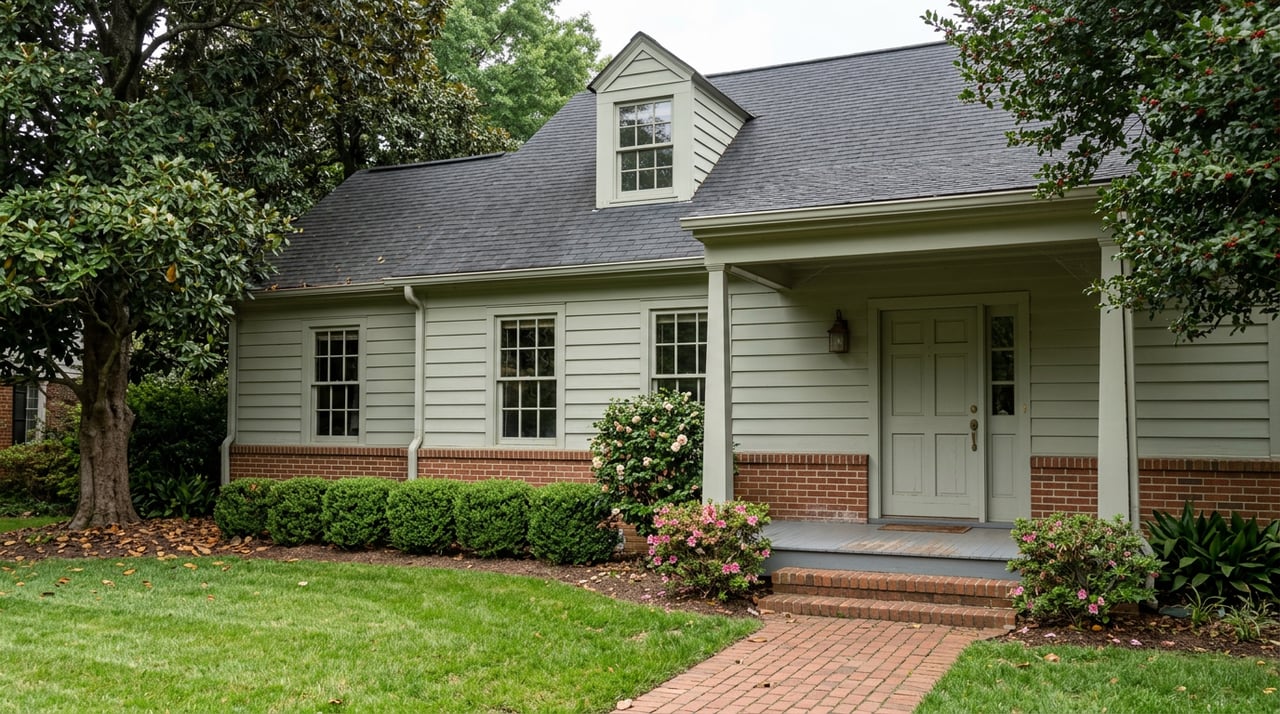
A buyer walks a 1920s foursquare two blocks off Canton Street. The floors are original heart pine, the kitchen hasn't been touched since a mid-90s remodel, and the HVAC is on borrowed time. The listing price is close to what a move-in-ready new build would cost on the other side of town. The buyer's first instinct is that the seller is dreaming.
Then the buyer's agent explains what's actually being sold: not just a house, but a slot inside one of the few places in Roswell where the exterior of every building is protected by a design review process the city takes seriously. Repaint the trim a different color, replace those windows, add a dormer, and you're not calling a contractor first. You're calling the city.
That's the piece of the Roswell market that median-price charts don't show, and it's the reason two homes with identical square footage, ten minutes apart, can price nothing alike.
The Approval You Didn't Know You Were Buying
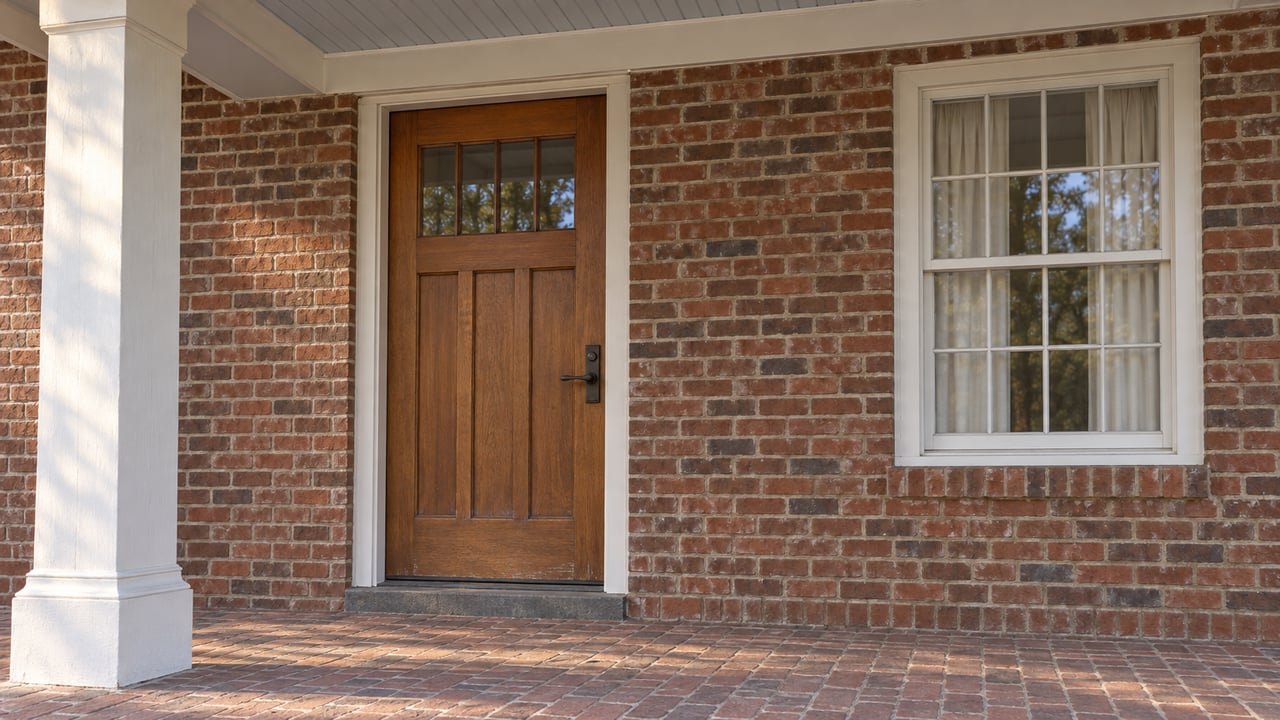
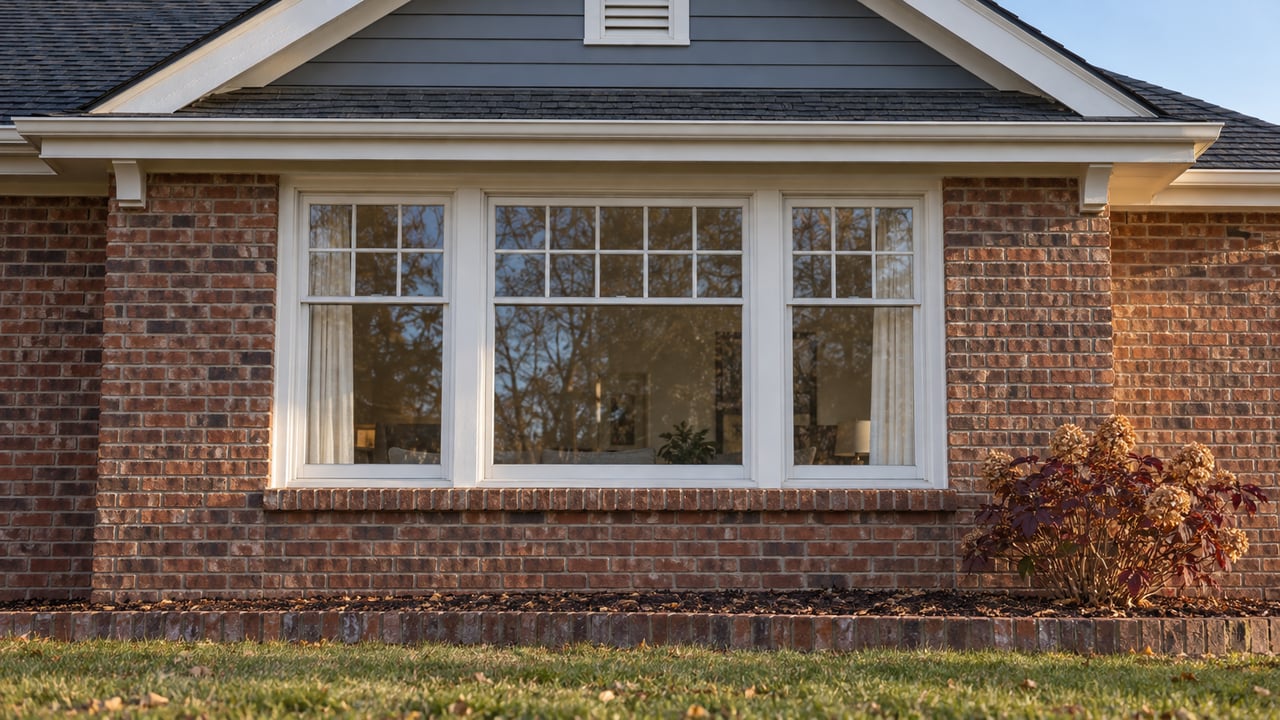
Roswell's Historic Preservation Commission oversees a 640-acre district that covers the walkable core around Canton Street, Mimosa Boulevard, and the old mill corridor. Inside that boundary, any exterior material change requires a Certificate of Appropriateness from the HPC before you can touch it. That covers new construction, demolition, moving a structure, or altering the outward appearance of an existing one. It's not a rubber stamp process reserved for additions. It applies to siding, roofing, window replacement, and anything else that changes what the street sees.
The commission itself is made up of resident volunteers, and the city requires that most of them have some background in history or architecture. They meet once a month, not on demand. If you're eyeing a fixer with plans to expand the kitchen before you move in, the practical math is straightforward: your renovation timeline now includes waiting for the next scheduled hearing, not just waiting on a contractor's calendar.
The commission's 2026 calendar has it meeting once a month, at 6 p.m. in the Council Chambers at 38 Hill Street. Miss the window and you're waiting for the next one.
For a buyer used to shopping new construction, where the builder has already cleared every permit before the listing goes live, this is the friction that surfaces the moment you fall for a historic-core property and start planning what you'll change.
Why the Price Doesn't Track the Condition
Here's the part that looks irrational until you follow the mechanism through. Historic homes in this part of Roswell often carry older structural systems, period windows and doors, and a patchwork of updated and original mechanicals. By any normal appraisal logic, that should discount the price relative to a similarly sized new build with a ten-year-old roof and a warranty on the HVAC.
It doesn't work that way here, and the citywide numbers make the gap visible. As of August 2026, homes listed across Roswell carried a median price of roughly $699,000, working out to about $242 per square foot. The Historic District has been pricing above that baseline for a while now: homes there sold at a median of $675,000 in May 2025, up 15.4 percent from the year before, and district listings were still holding near $705,000 by that fall, even as the district's housing stock skews smaller and older than the city average.
The reason isn't that buyers are ignoring condition. It's that condition is a renovation problem you can eventually solve with a contractor and a mortgage, while the entitlement to build or change anything inside that boundary is fixed by the map and the calendar. You can upgrade a 1940s kitchen. You cannot upgrade your way into a lot inside a 640-acre district that isn't expanding.
Two Kinds of New Construction, Two Different Rulebooks
The clearest way to see this is to compare new construction on either side of the line.
| Inside the Historic District | Other Roswell Communities | |
|---|---|---|
| Example | An infill estate on 1.23 acres, delivered with an approved pool permit, built to match the surrounding historic streetscape | Communities like Litchfield Hundred and The Groves at Myrtle |
| Design process | Requires a Certificate of Appropriateness from the HPC before construction begins | Roswell DDA says the city's Design Review Board handles design review outside the district and does not review single-family homes |
| What you're buying | Location, streetscape protection, and a design that already cleared review | A finished product with more design freedom for the buyer, but no protected pedigree |
| Renovation flexibility later | Constrained: any future exterior change needs another COA | Open: change the exterior however local code allows |
Under the city's own rule, that infill estate needed HPC sign-off before ground was broken, the same approval a homeowner would need for a far smaller exterior change. A buyer at Litchfield Hundred or The Groves at Myrtle, both marketed on their proximity to downtown, gets a comparable craftsman aesthetic.
Neither option is better. They're different products wearing similar architectural styles, and the price difference between them is the value of the entitlement, not the value of the drywall.
The City Is Reinforcing the Premium, Not Just Collecting It
This isn't a static arrangement. Roswell is actively investing in the core the HPC protects, which tends to lock in rather than erode the premium.
The city awarded a $14.49 million design-build contract to Winter Construction for a 395-space parking deck at the corner of Green Street and Alpharetta Street, funded through a taxpayer-approved bond program. Construction broke ground in August 2025 and was targeted for a summer 2026 opening, which puts its debut right around now. The deck is only one piece of a larger Green Street Activation Project that will convert Green Street to one-way southbound traffic, add a brick-paved multi-use trail, and turn Plum Tree Street into a pedestrian connection straight into Canton Street. The design materials for the deck itself went through Historic Preservation Commission review in May 2025, the same body that reviews a homeowner's window replacement.
Read that as a signal, not a footnote. The city isn't just restricting change inside the district. It's spending bond money to make the walkable core more walkable, which is exactly the amenity buyers are paying the premium for in the first place.
What This Means If You're Comparing Neighborhoods
If you're cross-shopping Historic Roswell against a subdivision on the edge of town, the median price and the price per square foot are telling you less than they seem to. A more useful set of questions:
Has this property's exterior been changed since the current owner bought it, and if so, do they have the Certificate of Appropriateness on file? A documented approval history is worth asking for the same way you'd ask for permit records on an addition anywhere else. It tells you what's already been cleared and what a future buyer, including you, would still have to seek approval for.
If your plans include anything visible from the street, has that kind of change been approved for similar homes nearby recently? The HPC's design review leans on precedent within the district, so a look at what's passed before is a better predictor than a look at the listing photos.
And if the appeal of a subdivision like Litchfield Hundred or The Groves at Myrtle is the ability to customize without review, weigh that against how much of Roswell's actual identity, the part built around Bulloch Hall, Barrington Hall, and the mill corridor along Vickery Creek, comes from the fact that nobody else can either.
None of this makes the Historic District the right or wrong choice. It just means the choice is between two different kinds of ownership, one flexible and one protected, and the price gap between them is the market correctly pricing that difference.
If you're weighing a historic-core purchase against new construction elsewhere in Roswell, or trying to figure out what a specific property's Certificate of Appropriateness history actually allows, that's exactly the kind of local detail worth a conversation before you write an offer. AlpharettaZen works this market block by block, and we're glad to walk through what a specific address means for your plans. Schedule Your Free Consultation whenever you're ready to look closer.
A Few Questions Buyers Ask Before They Offer
Does the Certificate of Appropriateness rule apply to every home in the 640-acre district, or just landmark properties? It applies broadly to exterior material changes within the mapped boundary, not just to designated landmark buildings. New construction, demolition, and changes to a building's outward appearance all fall under HPC review inside the district.
What if I only want to update the interior? The friction shows up specifically when a project changes what's visible from the street.
How long does a Certificate of Appropriateness actually take? The commission meets monthly, so the real-world timeline depends on when your project lands relative to the next scheduled hearing, plus whatever design revisions the board asks for along the way. Building that calendar into your renovation timeline before you close is worth doing early, not after.
This article is general information, not legal, tax or financial advice. Consult a qualified professional about your situation.